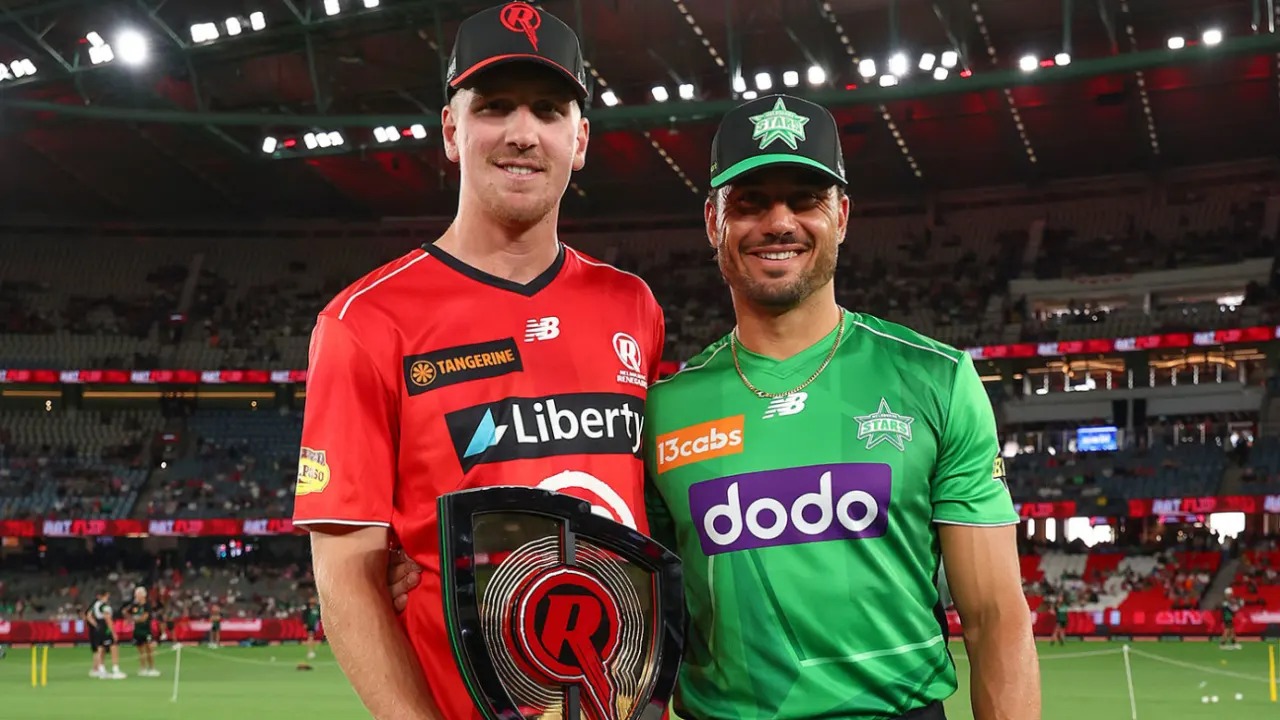
The Big Bash League (BBL) is on the brink of a massive financial evolution, but a classic cricketing tug-of-war behind the scenes means Melbourne's two rival clubs are likely staying exactly as they are for at least one more summer. Despite a chaotic few weeks that sparked widespread anger across Australian cricket, the Melbourne Stars and Melbourne Renegades are expected to take the field for the 2026-27 season. However, the dust is far from settling on a messy, high-stakes fight over privatization, player pay, and state-versus-national control. Here is a breakdown of the boardroom drama shaping the future of the BBL. The Victoria Shockwave The recent anxiety tracking through the league started with Cricket Victoria. In a move that shocked the wider cricket community and blindsided Cricket Australia (CA), Victoria unilaterally announced a merger of the Stars and Renegades' operational setups. The move was a calculated gamble. Victoria even went as far as applying to trademark three potential new names for a singular Melbourne team: the Rangers, the Blazers, and the Magic. Their ultimate goal is clear: clear the decks, consolidate, and sell 100% of a second license to private investors. However, jumping the gun before CA or the other states had agreed on a wider privatization framework caused massive friction. While Victoria’s aggressive play left player groups anxious and administrators furious, the immediate fallout is a bit of a stalemate. The Stars will likely remain intact for the upcoming season, while the Renegades will operate under temporary management funded by Victoria. The Power Shift: A "Hybrid" Future While Victoria's sudden merger caused tense emergency meetings, Monday brought a rare breakthrough. State chairs voted "in principle" for a hybrid privatization model—often called the "self-determination" model. Initially, there was major pushback against an "all-in" privatization plan. Powerhouse states like New South Wales and Queensland completely opposed a forced sell-off, while Western Australia, Tasmania, and Victoria were eager to open the doors to private cash. The compromise? A hybrid system proposed by South Australia. Under this plan, each state association gets to decide the fate of its own franchises. If Victoria wants to sell its stakes entirely, it can. If other states want to retain full traditional ownership of their teams, they have that right. The Player Roadblock While the states have finally found common ground, the entire privatization process has hit a massive roadblock: the Australian Cricketers' Association (ACA). Before the states even voted, ACA Chief Executive Paul Marsh sent an explicit warning to players, stating the union would not agree to privatization under the current proposal. The players are holding a powerful hand, and they are demanding a piece of the pie before any private money changes hands. The standoff boils down to two main player grievances: The Revenue Share: Players are demanding their share of CA's revenue model under the Memorandum of Understanding (MOU) be bumped up from 27.5% to 30%. Cricket Australia is strictly resisting this increase. The Salary Cap Disparity: Local domestic players are frustrated by a system that guarantees massive, inflated paydays to short-term overseas superstars while local mainstays face tighter wage constraints. Interestingly, the man leading Cricket Australia’s negotiations is CEO Todd Greenberg. Because Greenberg used to be the boss of the ACA, he understands the players' playbook intimately—a factor that will either fast-track a compromise or make the upcoming negotiations incredibly calculated. Calming the Changerooms Separately, the ACA is stepping in to manage the human cost of this corporate reshuffling. The union is scheduled to meet directly with Renegades and Stars players to address the fallout from Victoria's abrupt decision and to calm dressing-room anxieties ahead of the summer. While assurances have been made that current playing lists will not be immediately disrupted by the operational merger, both clubs face the stressful task of finalizing their squads under a cloud of structural uncertainty the moment the current contract embargo lifts. What Happens Next? Optimists within the game believe privatization plans and player pay structures could be finalized within the month, allowing clubs to go to the open market to test their financial valuations by October. Skeptics from several state boards, however, view that timeline as wishful thinking. For the players currently signed to the Stars and Renegades, the immediate focus is peace of mind. Melbourne's green and red rivalry survives for one more year, but the corporate tectonic plates beneath Australian cricket have permanently shifted.
The Battle for the BBL’s Future: Why the Melbourne Stars and Renegades are Safe—For Now
The Big Bash League (BBL) is on the brink of a massive financial evolution, but a classic cricketing tug-of-war behind the scenes means Melbourne's two rival clubs are likely staying exactly as they are for at least one