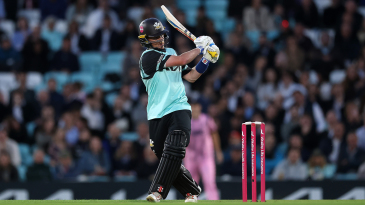
LONDON — England batter Ollie Pope, along with fellow countrymen Will Smeed and David Willey, has officially withdrawn from the upcoming draft for the inaugural Afghanistan Premier League (APL) T20 tournament. The move comes following severe backlash over the potential participation of high-profile English players in a league linked with Afghanistan, given the Taliban regime's systemic repression of women and restriction of female sports. High-Profile Withdrawals Before the DraftPope, who captained the England Test side during the previous summer and recently secured a new one-year central contract, made the decision to pull out ahead of public comments made by Rob Key, the Managing Director of England Men’s Cricket. Fast bowler David Willey and explosive opening batter Will Smeed have also removed their names from the draft, which is scheduled for October 24. While players are frequently registered for overseas T20 franchise leagues by agencies acting on their behalf, the immediate public fallout—including criticism from political figures such as Labour MP Tonia Antoniazzi—prompted swift action from several players to step back from the draft pool. Institutional Stance and Legal HurdlesThe debate underscores an uncomfortable tension between institutional policy, employment law, and personal ethics in professional cricket.The England and Wales Cricket Board (ECB) has consistently maintained a policy of refusing bilateral fixtures against Afghanistan due to human rights violations under Taliban rule. However, granting No-Objection Certificates (NOCs) for individual players in private franchise leagues presents a distinct challenge. ECB Chair Richard Thompson noted that UK restraint-of-trade laws prevent the board from easily blocking players from working overseas. Addressing the matter on the BBC’s Test Match Special podcast, Rob Key elaborated on the boundary between regulation and personal conscience: "Legally, it’s hard to stop players from going over and playing in these competitions. It becomes a moral judgement, and players have to be prepared to take the right moral stance. Personally—and it’s easy for me to say—I wouldn’t go and play in it, but it’s down, really, for the player to make that decision." Key added that he strongly condemns the treatment of women in Afghanistan and would not personally participate in events associated with the regime. The Players' Perspective: Professional Duties vs. Personal MoralsNot all registered players share the same course of action. Former England batter Dawid Malan remains in the draft and defended his participation by pointing toward official governing bodies. Malan expressed empathy with the human rights concerns but emphasized the reality of short professional careers:"As players we take our guidance from the ICC and the boards... I have a daughter, I want her to play sport, I want her to get into playing sport and enjoying it, so I fully understand that argument. But at the end of the day, I'm a cricketer. I need to be able to pay my rent and I need to be able to earn a living while I can, so as long as it's been approved by the boards, I am happy to go."Uncertainty Surrounding the LeagueBeyond the moral controversy, the tournament itself faces operational hurdles. Scheduled to begin in the United Arab Emirates on December 27, only three out of five proposed franchises have been sold, leaving the league's execution in a state of uncertainty ahead of the draft. As cricket continues to balance global expansion with moral accountability, the decisions of players like Pope signal growing individual accountability when governing boards find their hands tied by legal boundaries.
Ollie Pope withdraws from Afghanistan Premier League T20 draft
LONDON — England batter Ollie Pope, along with fellow countrymen Will Smeed and David Willey, has officially withdrawn from the upcoming draft for the inaugural Afghanistan Premier League (APL) T20 tournament. The move c