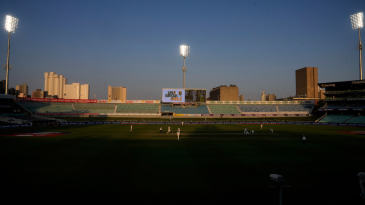
The KwaZulu-Natal Cricket Union (KZNCU) has announced plans to conduct a "thorough internal review" following starkly low spectator turnout during the recently concluded Test match between South Africa and Australia at Kingsmead Stadium in Durban. Despite hosting a marquee fixture featuring the newly crowned World Test Champions—marking South Africa's first home Test since January 2025—just under 20,000 spectators attended across the entire duration of the match. With Kingsmead holding a daily capacity of 20,000, total attendance over the multi-day game amounted to less than a fifth of what the venue could have accommodated in a single day. In a statement, KZNCU Chief Executive Officer Heinrich Strydom expressed deep concern over the sparse stands while committing to finding constructive solutions for the future. "A Test match of this quality, featuring the Proteas and Australia, deserved greater support in the stands," Strydom said. "While we recognise that supporters face competing demands on their time and finances, we must also understand better what influences their decisions to attend and what more we can do to make live cricket an attractive and worthwhile experience." "This is something we will reflect on as a Union, through a thorough internal review, and as a cricket community. We need to listen to our supporters, reconnect with our communities, and continue to find ways to make Test cricket more accessible, engaging and appealing to families and cricket lovers of all ages." External Factors and Unrest Disrupt Durban Matchday Experience The low attendance comes against the backdrop of significant external challenges in the surrounding region. The Durban Central Business District (CBD), situated barely a kilometer from Kingsmead Stadium, experienced severe lockdowns throughout much of the Test due to escalating anti-immigration protests. What began with a heavy police presence culminated in the deployment of the South African National Defence Force by the conclusion of the match. While conditions inside the stadium remained peaceful and unaffected by the surrounding tensions, safety concerns around travel into the area likely deterred thousands of potential match-goers. Economic pressures across the country have further exacerbated crowd numbers. South Africa continues to grapple with a steep cost-of-living crisis, marked by fuel prices hitting an all-time peak of R29.38 (US$1.78) per liter just two days prior to the start of the Test. Addressing media in isiXhosa during the post-match press conference, Proteas Test captain Temba Bavuma acknowledged the severe economic strain on fans, noting that financial constraints are increasingly keeping ordinary supporters away from sporting venues. A Squeezed International Calendar and Local Trends The Durban Test highlight broader scheduling friction across South African cricket. To accommodate the growing footprint of franchise tournaments—notably the SA20 in January and February, followed closely by the Indian Premier League (IPL) starting in March—Cricket South Africa has been forced to push premier international fixtures into shoulder windows as early as October. Traditionally, the prime window for Test cricket in South Africa runs from November through March. Playing in October has introduced distinct logistical hurdles, including clash points with student examination periods across local schools and universities. The scheduling effect was already evident earlier in the season when Durban hosted the season-opening One Day International against Australia on Heritage Day (September 24); despite falling on a national public holiday, the fixture drew a modest crowd of just over 12,000 fans. Durban's struggle with Test match attendance is not entirely new, having previously led administrators to relocate the traditional Boxing Day Test match from Kingsmead to SuperSport Park in Centurion. However, the current calendar squeezes present similar turnout challenges for remaining venues in the series: Gqeberha (Second Test): Starts on a Sunday and features only one weekend day of play, with rain already forecasted for early in the match. Newlands, Cape Town (Third Test): Scheduled from a Tuesday to a Saturday, forcing most of the action into standard working days. On-Pitch Quality Remains Unquestioned Despite the empty seats, the quality of play on the field and the condition of the playing surface won widespread praise from players and coaches alike. Proteas head coach Shukri Conrad specifically commended Kingsmead groundsman Wonderboy Khanyile for preparing an exceptional pitch that offered a fair, balanced contest between bat and ball. As KZNCU prepares its internal review, the union faces the delicate challenge of reconciling high-caliber international sport with local economic reality, stadium safety, and an increasingly overcrowded international cricket calendar.
KZNCU to launch 'thorough internal review' into poor attendance in Durban Test
The KwaZulu-Natal Cricket Union (KZNCU) has announced plans to conduct a "thorough internal review" following starkly low spectator turnout during the recently concluded Test match between South Africa and Australia at K